Dressing with Kindness: How Quitting the Fast Fashion Cycle Is the Nicest Thing You Can Do for Yourself
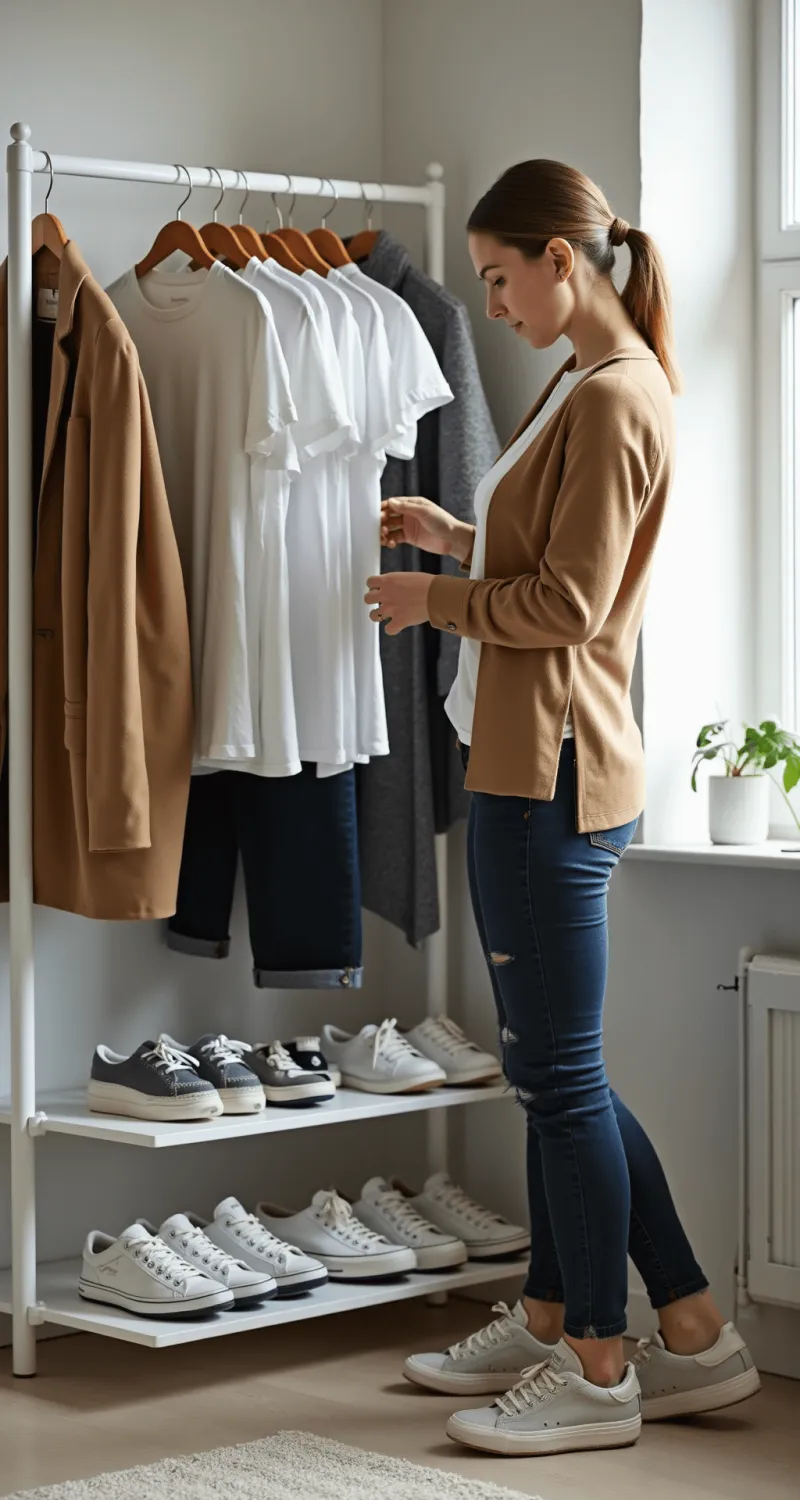
Photo: woman thoughtfully organizing a minimal wardrobe with quality clothing, via meetceline.com
Let's be honest for a second. We've all been there — scrolling through some online retailer at midnight, tossing three tops and a pair of pants into the cart because the total comes out to less than a nice dinner. It feels like a win. It feels like being smart with money. And then, six weeks later, those tops are pilling, the pants don't quite fit the way they did in the photos, and the whole haul has quietly migrated to the back of the closet where good intentions go to die.
This is the fast fashion loop, and it's not just hard on your wallet. It's hard on your head, your heart, and honestly, your sense of self.
The Hidden Price Tag Nobody Talks About
Fast fashion brands are brilliant at making the price feel low. A $12 blouse, a $25 dress — it's practically free, right? Except it's not, because you buy it again next season when it falls apart. And again the season after that. The average American now buys about 68 garments per year, according to industry data — more than one new piece of clothing per week. Do the math and that "budget" approach to getting dressed starts looking a lot more expensive than anyone planned.
But the financial cost is really just the surface level. Underneath it is something sneakier: the emotional toll of owning a closet full of things that don't quite work. Studies on decision fatigue suggest that having too many low-quality options actually makes it harder to feel good about what you put on in the morning. You're surrounded by stuff, and yet you feel like you have nothing to wear. Sound familiar?
That's not a you problem. That's a fast fashion problem.
When Your Clothes Don't Respect You Back
Here's a thought worth sitting with: the clothes we choose are, in a small but real way, a message we send ourselves about what we deserve. When we habitually reach for the cheapest option — the one that's designed to last a season at best — we're quietly telling ourselves that good enough is good enough for us.
Conscious consumption flips that script. Choosing one well-made sweater over four throwaway ones isn't about being fancy or spending more money for the sake of it. It's about deciding that you're worth something that was made with actual care. That's a form of self-respect that shows up every time you get dressed.
The brands and makers that put genuine craft into their products — the ones focused on materials, fit, and longevity — they're not just selling you clothing. They're offering you a different relationship with the things you own. One that's slower, more intentional, and frankly, a lot more forgiving than the breakneck pace of trend cycles.
The Mental Health Connection Nobody's Talking About Enough
There's a reason so many people feel anxious when they open their closets. Clutter — even the kind hanging neatly on a rod — creates mental noise. When everything in your wardrobe feels like a compromise, getting dressed becomes a low-grade stressor rather than a small daily pleasure.
Minimalist wardrobe advocates have been saying this for years, but you don't have to go full capsule-wardrobe to feel the benefit. Even just shifting your mindset toward "fewer, better things" can bring a noticeable sense of calm. When every item in your closet is something you actually chose with intention, getting dressed stops being a chore and starts being — dare we say it — kind of nice.
That's the mercy in the approach here at Mercie's Shop. We curate with the idea that you deserve to feel good about what you bring into your life, not just in the moment of purchase but every single time you use it.
Saying No Is Actually Saying Yes to Yourself
Saying no to fast fashion isn't about deprivation. It's not about fashion guilt or becoming some kind of sustainability purist who judges everyone else's shopping cart. It's simpler than that.
It's about saying yes to things that last. Yes to knowing where your money actually went. Yes to a closet that feels like it belongs to someone who knows what they like. Yes to getting dressed without the low hum of "ugh, nothing fits right" playing in the background.
That's a kindness worth extending to yourself.
How to Start Without Overhauling Everything at Once
The good news is that you don't have to throw out everything and start over. Slow fashion is, by definition, slow. Here are a few ways to ease into a more intentional approach:
- Pause before you purchase. Give yourself 48 hours before clicking "buy" on anything that wasn't already on your list. If you still want it after two days, it's probably worth it.
- Ask the cost-per-wear question. A $90 jacket you wear three times a week for three years costs you a fraction of a penny per wear. A $20 top you wear twice and toss? That math looks different.
- Choose makers who choose quality. Seek out brands and artisans who are transparent about how their products are made. When a maker takes pride in their craft, it shows — and you feel it every time you use the thing.
- Give yourself grace. You're not going to unlearn years of fast fashion habits overnight, and that's okay. Progress over perfection is the whole point.
At Mercie's Shop, every product we carry has been chosen because someone put real thought, skill, and care into making it. We believe that's what you deserve — not a landfill-bound impulse buy, but something chosen with actual attention and heart.
Being kind to yourself starts with what you let into your life. Your closet is a pretty good place to begin.