Let It Go with Love: A Guilt-Free Guide to Giving Your Belongings a Better Next Chapter

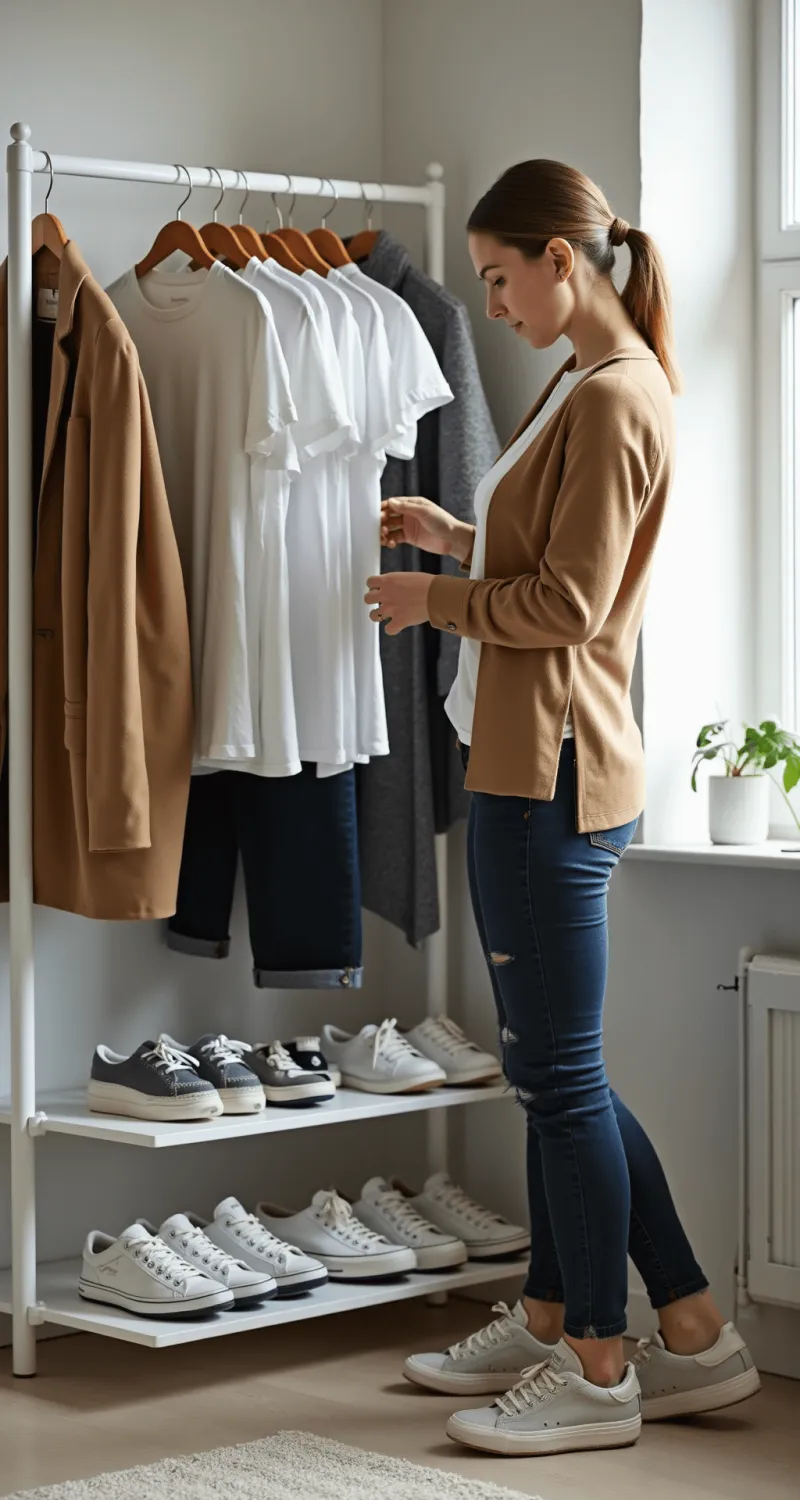
Photo: woman organizing clothes donation boxes bright airy room, via thumbs.dreamstime.com
Let's be honest: most of us have a drawer, a closet shelf, or maybe an entire spare room that we quietly avoid making eye contact with. You know the one. It's where things go to wait — items you spent real money on, gifts you never quite connected with, impulse buys that seemed like a great idea at 11 p.m. on a Tuesday.
The clutter isn't the problem, exactly. The guilt is.
Here at Mercie's Shop, we believe that the things you bring into your life should serve you — and when they stop doing that, letting them go shouldn't feel like failure. It should feel like a forward pass. A small act of mercy, both toward yourself and toward whoever gets to love that item next.
So let's talk about how to actually do that.
Start with Gratitude, Not Judgment
Before you rip open a garbage bag and go full tornado mode on your closet, pause for a second. Every item you own represents a decision — sometimes a good one, sometimes not, but always a moment in your life. That blazer you bought for a job interview three years ago? It got you there. The kitchen gadget you used twice? You were trying something new. That counts.
Giving yourself permission to acknowledge why you bought something — without beating yourself up about it — is the first step to releasing it cleanly. Try asking: What did I hope this would do for my life? If it delivered, great. If it didn't, that's okay too. Either way, its job with you might just be done.
This isn't about toxic positivity or pretending every purchase was a gem. It's about closing the loop with honesty instead of shame.
Sort with Intention, Not Speed
There's a popular method that tells you to do everything at once — dump it all out, make rapid-fire decisions, and power through. And look, for some people, that works great. But for a lot of us, that approach leads to decision fatigue, emotional overwhelm, and a pile on the floor that stays there for two weeks.
Instead, try category-by-category decluttering over a few weekends. One Saturday: tops and jackets. The next: books and media. The one after that: kitchen and home goods. Smaller bites mean more thoughtful decisions — and fewer cases of accidentally donating something you actually still wanted.
As you go, create three distinct piles:
- Keep: Things you actively use, love, or genuinely need.
- Rehome: Items in good condition that deserve a second life elsewhere.
- Release: Things that are worn out, broken, or too far gone — these get recycled or responsibly disposed of.
The "rehome" pile is where the magic happens.
Find the Right Next Home
Not everything should go to the same place, and being a little thoughtful here makes a real difference — both in impact and in how you feel about the whole process.
For clothes and accessories: Platforms like ThredUp, Poshmark, and Depop make it easy to sell items online. If selling feels like too much effort, look into local Buy Nothing groups on Facebook, where neighbors can claim items directly from you — no strangers in parking lots, no shipping labels. It's community-building disguised as decluttering.
For books: Your local library often accepts donations, and Little Free Libraries (those tiny wooden boxes you see in front of people's houses) are a beautiful way to pass along a read you loved. Websites like PaperBackSwap let you trade books with readers across the country.
For household goods: Habitat for Humanity ReStores accept furniture, appliances, and building materials. Local shelters and transitional housing programs frequently need kitchenware, linens, and home basics — a quick call to an organization near you can tell you exactly what's needed most right now.
For electronics: Best Buy and Staples both have in-store recycling programs for old devices. Please don't let old phones and laptops sit in a landfill — they contain materials that can be recovered and reused.
The point is: a little research goes a long way. Knowing your old winter coat is going to someone who actually needs it this January? That's a feeling no amount of closet space can replace.
Reframe What Decluttering Actually Is
We've been sold a version of decluttering that's all about minimalism aesthetics — the perfectly sparse shelf, the all-white wardrobe, the home that looks like nobody actually lives in it. And while clean spaces are genuinely nice, that's not really the goal here.
The goal is freedom. The freedom to open your closet and see things you actually want to wear. The freedom to walk through your living room without feeling vaguely stressed by the stuff piled in the corner. The freedom to stop managing things and start actually living in your space.
When you clear out what no longer fits your life, you make room — physically and mentally — for what does. And when you do that with intention and care, you're not just tidying up. You're practicing a kind of everyday mercy: toward your future self, toward the person who gets your stuff next, and toward the idea that things don't have to be wasted just because they're no longer yours.
A Word About What Comes Next
Here's the part we want to be real with you about: decluttering only works long-term if it changes how you shop going forward. Otherwise, you clear out the closet, feel great for a month, and then slowly refill it with more stuff that doesn't quite fit either.
That's not a character flaw — it's just a pattern. And patterns can shift.
When you do bring new things into your life, choose them carefully. Choose things made to last. Choose things from makers and shops that align with your values. Choose things you've thought about for more than five minutes.
At Mercie's Shop, that's the whole reason we curate the way we do. Every item we carry is something we'd want in our own homes — not just because it's pretty, but because it's worth keeping. Because it'll still be good in three years. Because it means something.
Your space deserves that. And so do you.