Less Really Is More: The Quiet Power of Choosing What Stays in Your Life
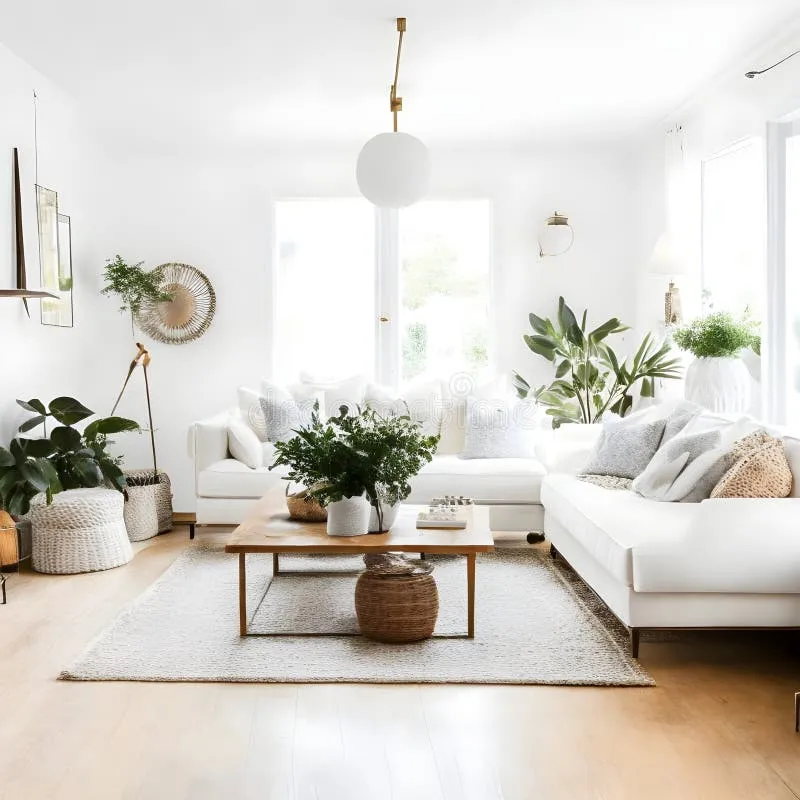
Photo: minimalist organized home interior with carefully chosen decor items, via thumbs.dreamstime.com
There's a particular kind of exhaustion that comes from owning too much. It's not dramatic. It doesn't announce itself. It just kind of... sits there, like that pile of stuff on your bedroom chair that you've been meaning to deal with since March. Sound familiar?
Here's the thing nobody tells you when you're scrolling through a sale page at midnight: every item you bring into your home is a small commitment. It needs a place to live. It needs your attention, even passively. And eventually, it needs you to decide what to do with it. That's not nothing. That's actually a lot.
At Mercie's Shop, we've built everything around the idea that the things you choose to live with should genuinely earn their place. Not because we're minimalists with a manifesto, but because we believe the stuff around you should feel like a reflection of care — not chaos.
Why "Just in Case" Is Costing You More Than You Think
Most of us have a "just in case" category of belongings. The extra blender attachment. The decorative bowl from a housewarming gift five years ago. The three versions of the same type of bag because you couldn't decide. None of these items are bad. But collectively, they create noise.
Decision fatigue is a real, documented phenomenon. The more choices your brain has to process — even subconscious ones, like visually registering a cluttered shelf — the more mental energy gets quietly drained. Researchers at Princeton found that physical clutter actually competes for your attention and reduces your ability to focus. You're not imagining it. Your stuff is literally working against you.
Selective shopping isn't about punishing yourself. It's about protecting your attention. When you decide in advance that something has to meet a certain bar to come home with you, you're not depriving yourself — you're doing yourself a genuine kindness.
A Simple Framework for Deciding What Earns a Spot
You don't need a spreadsheet or a complex system. You need a few honest questions to ask before you buy:
Does it solve an actual problem, or just an imagined one? Before you add something to your cart, pause and ask what specific gap it fills. If the answer is vague — "it might be useful someday" — that's a signal worth heeding.
Do you already own something that does this job? Duplication sneaks up on everyone. We own four spatulas, two sets of measuring cups, and somehow still three phone chargers from phones we no longer have. One good version of a thing is almost always better than three okay versions.
Would you buy it at full price? This one is humbling. A lot of impulse purchases only feel good because of a discount. If the answer is honestly no, the deal isn't saving you money — it's just costing you less to acquire something you didn't need.
Does it fit the life you actually live, not the life you imagine? We all shop for a slightly aspirational version of ourselves. The person who does yoga every morning, hosts dinner parties on weeknights, and has a perfectly organized craft room. It's okay to have goals. It's also okay to be honest about your actual daily life when you're making purchases.
The Unexpected Peace of an Edited Home
Here's what nobody warns you about when you start getting more selective: it feels weirdly emotional at first. Saying no to things — even things on sale, even things that are perfectly nice — can feel like you're missing out. That's normal. It fades.
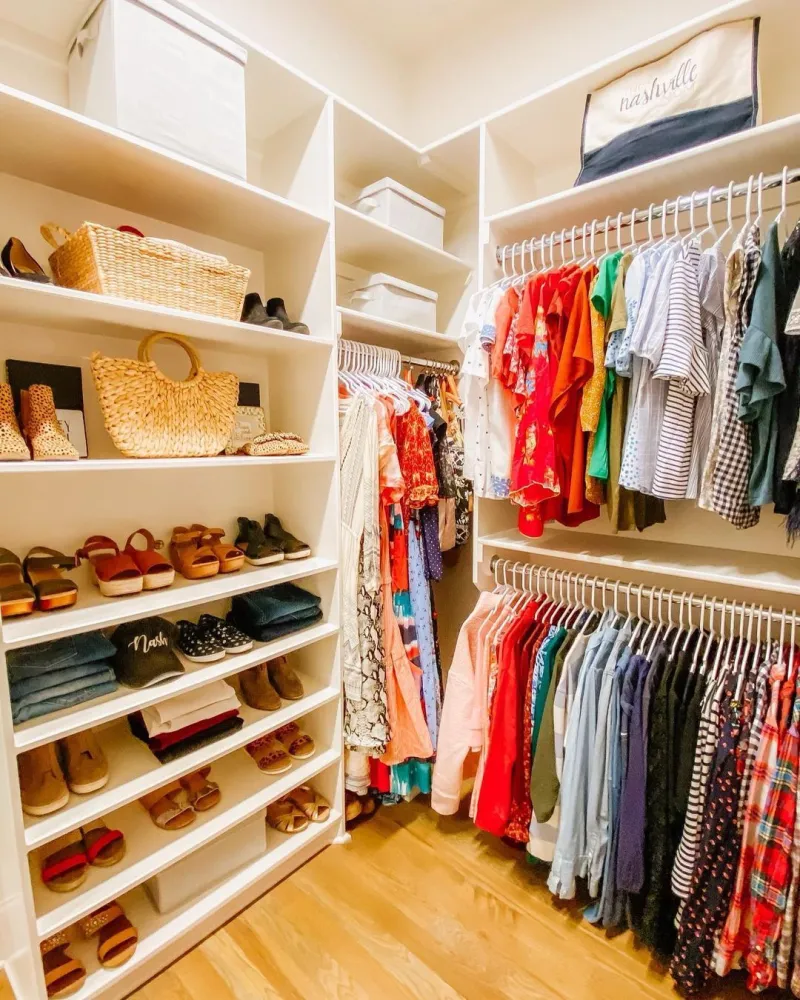
What replaces it is something quieter and more satisfying. When your home only contains things you genuinely chose, the whole space starts to feel more like you. Getting dressed in the morning takes less mental effort because everything in your closet is something you actually wear. Cooking feels easier when your kitchen drawers close properly. Coming home at the end of a long day feels like relief instead of just a different kind of overwhelm.
This isn't a fantasy. It's just what happens when you stop letting accumulation be the default.
Restraint as Self-Respect
We live in a culture that equates more with better. More options, more stuff, more everything. Resisting that takes a certain kind of confidence — the kind that says I know what I need, and I don't need to prove anything by filling my cart.
At Mercie's Shop, the products we carry are chosen with that same intention. We're not trying to overwhelm you with options. We're trying to offer you things worth choosing — items that are genuinely well-made, genuinely useful, and genuinely worth the space they take up in your life.
That's the whole point, really. Curation isn't about scarcity. It's about respect — for your space, your time, your energy, and your money. When you start shopping that way, you stop feeling like shopping is something that happens to you and start feeling like it's something you're actually in charge of.
And that shift? It's worth more than any sale.